Are you considering modernizing your business phone system and have noticed that the terms “SIP Trunking” and “VoIP” are often used interchangeably? Although they are related, they are not identical. Understanding their distinctions will help you make an informed decision.
In this article, we explain what VoIP is, what SIP Trunking is, their benefits and key differences, as well as the criteria for choosing the solution best suited to your organization.
What is VoIP?
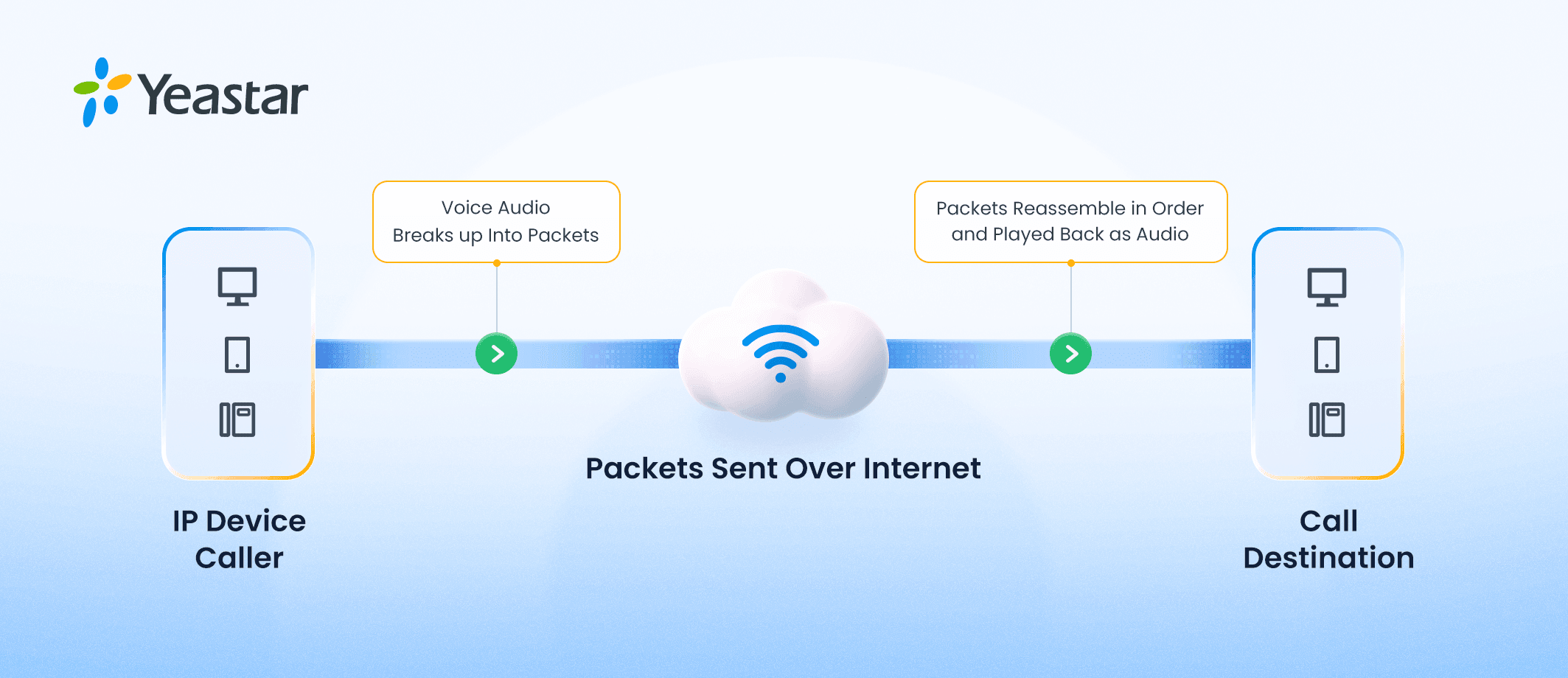
VoIP, or Voice over Internet Protocol, is a technology that converts voice into digital data packets for transmission over the Internet. Unlike traditional copper telephone networks, VoIP lets you make calls anywhere as long as an Internet connection is available. It offers a user-friendly interface, lower costs, great flexibility and a range of advanced features such as voicemail-to-email, auto attendants and call forwarding.
What is SIP Trunking?
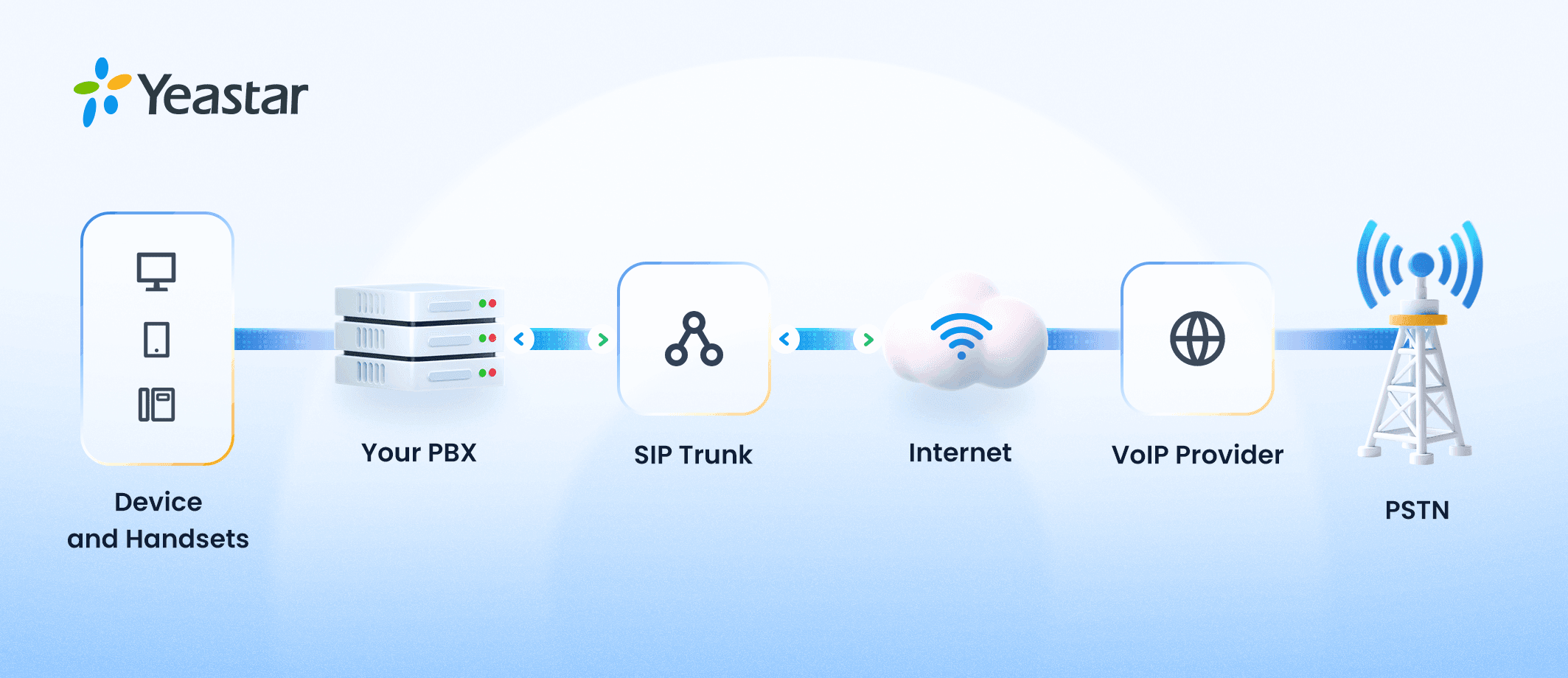
SIP Trunking is a service that connects an IP PBX system to both the Internet and the public switched telephone network (PSTN). It enables VoIP calls to reach any landline or mobile phone number worldwide. Without a SIP Trunk, a PBX could handle only calls within the IP network.
Key differences between VoIP and SIP Trunking
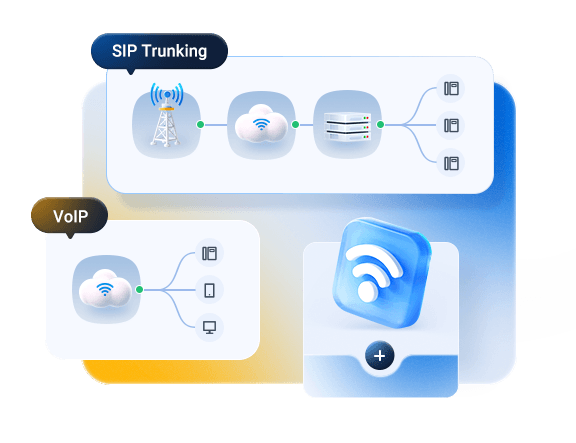
VoIP is the general technology for transmitting voice over IP, while SIP Trunking is a specific method of extending a PBX to the PSTN via the SIP protocol. VoIP can be cloud-hosted or on-site, whereas SIP Trunking requires an existing PBX and an Internet Telephony Service Provider (ITSP). The two solutions complement rather than compete with each other.
How SIP Trunking and VoIP Work Together
In practice, VoIP determines how voice travels over the IP network, while SIP Trunking connects your PBX to the public telephone line. This synergy lets you use VoIP’s flexibility and advanced features while retaining the ability to make and receive calls over the PSTN.
Choosing Between SIP Trunking and VoIP
For an existing IP PBX, SIP Trunking extends your investment and adds advanced capabilities. Without a PBX, a hosted VoIP solution is faster to deploy and less technical. Assess your functional requirements, call volume, system management, and future growth to decide.
Why Your VoIP System Is Crucial
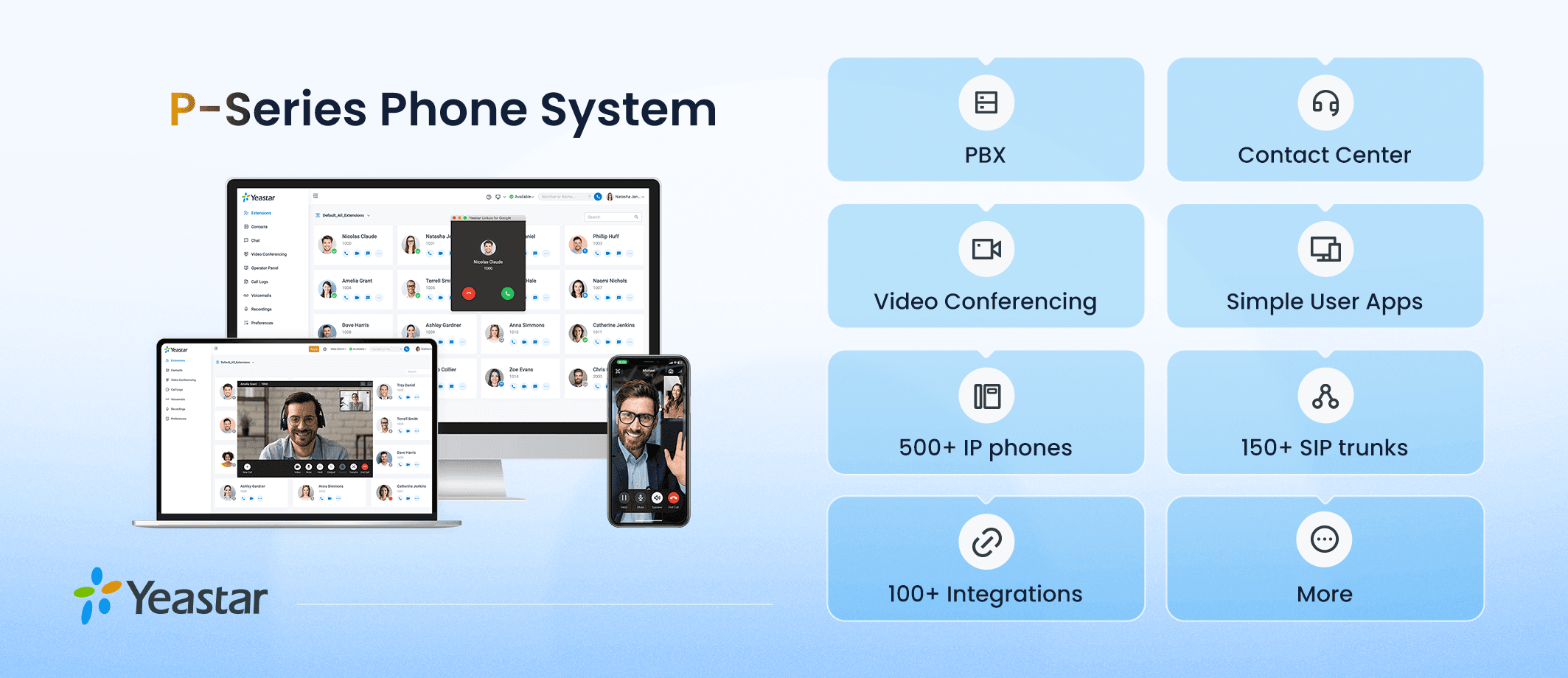
Whatever you choose, your phone system remains at the heart of your communications. Yeastar solutions integrate voice, video, team messaging, and call center features, while supporting more than 150 ITSPs for maximum flexibility.
Conclusion and Next Steps
Understanding the distinction between SIP Trunking and VoIP helps you build a communication strategy that meets your needs. Whether you choose VoIP alone, SIP Trunking, or a hybrid solution, you can reduce costs, gain flexibility, and prepare your business for growth. Discover Yeastar P‑Series systems to enjoy the best of both worlds – try them for free or schedule a live demo.
The Yeastar team supports businesses and integrators in assessing their needs, selecting an architecture, and preparing for deployment.