Phone calls remain a preferred channel between businesses and customers, despite the rise of social media and chatbots. Choosing the right call center solution is therefore essential to providing outstanding customer service. This guide presents the specifics of inbound and outbound call centers in detail, their advantages and key differences, as well as practical tips for optimizing them.
What is an inbound call center?
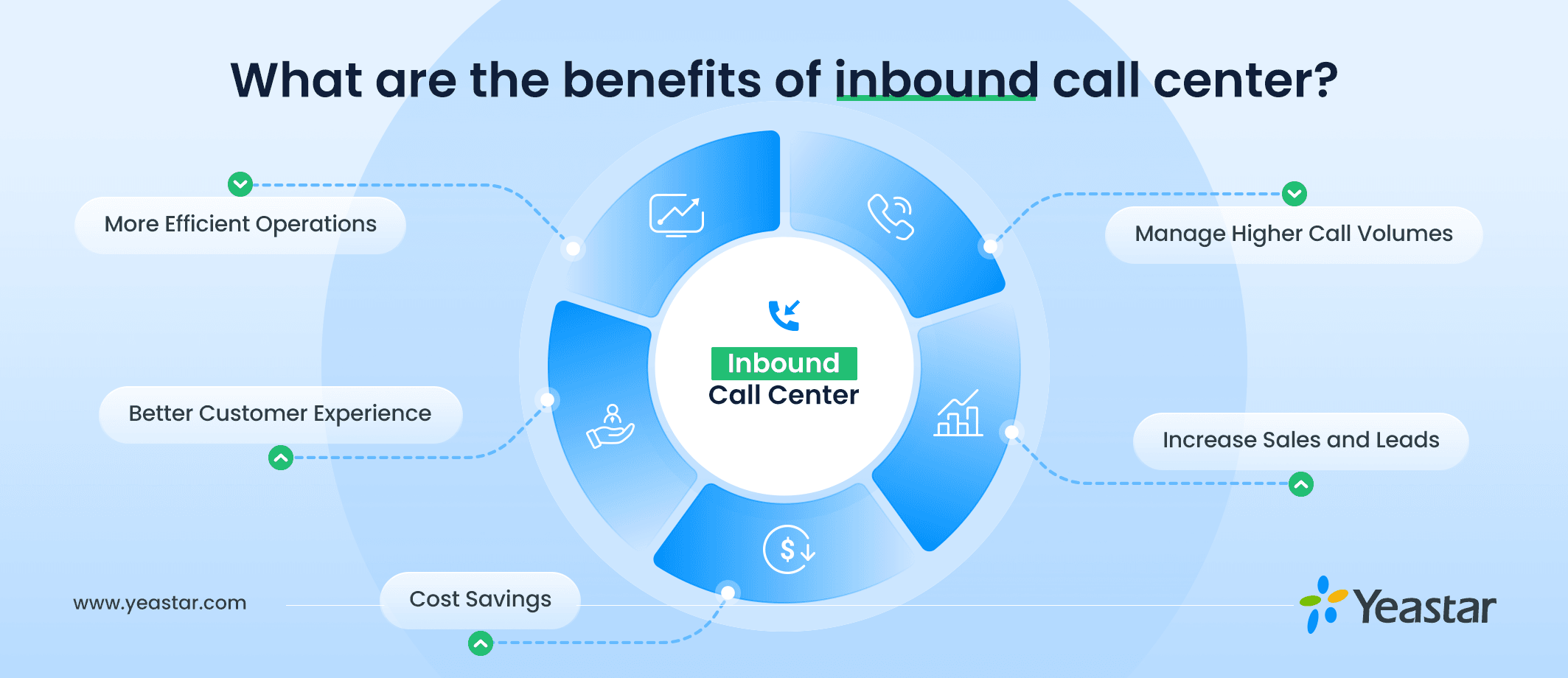
An inbound call center handles incoming calls from customers or prospects. Its main goal is to provide customer service, technical support and product information. It can be operated in-house or outsourced, and its effectiveness is often measured by the first-call resolution rate and customer satisfaction scores.
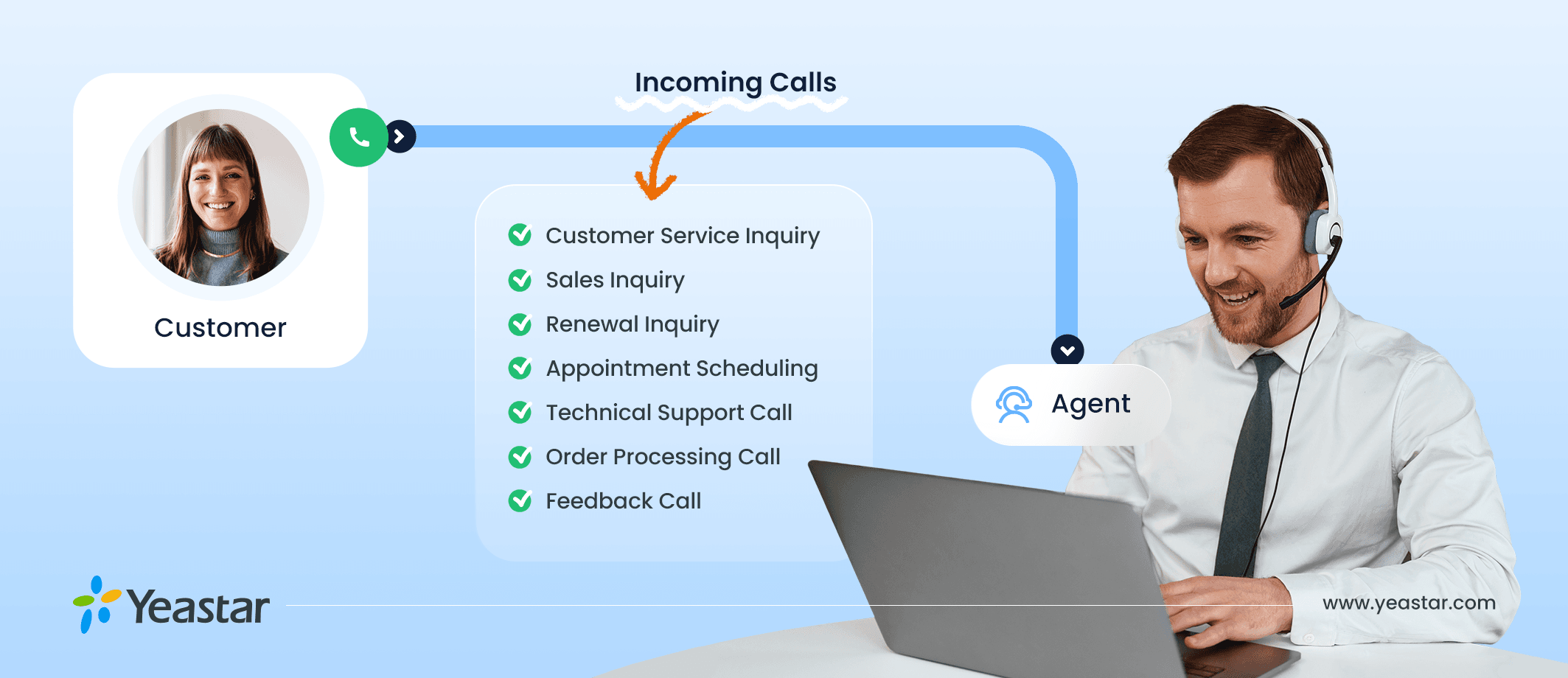
Different types of inbound calls
Inbound calls cover several areas: customer service, sales inquiries, subscription renewals, technical support, order processing and feedback. Each type requires specific skills and aims to maintain customer satisfaction and loyalty.
What is an outbound call center?
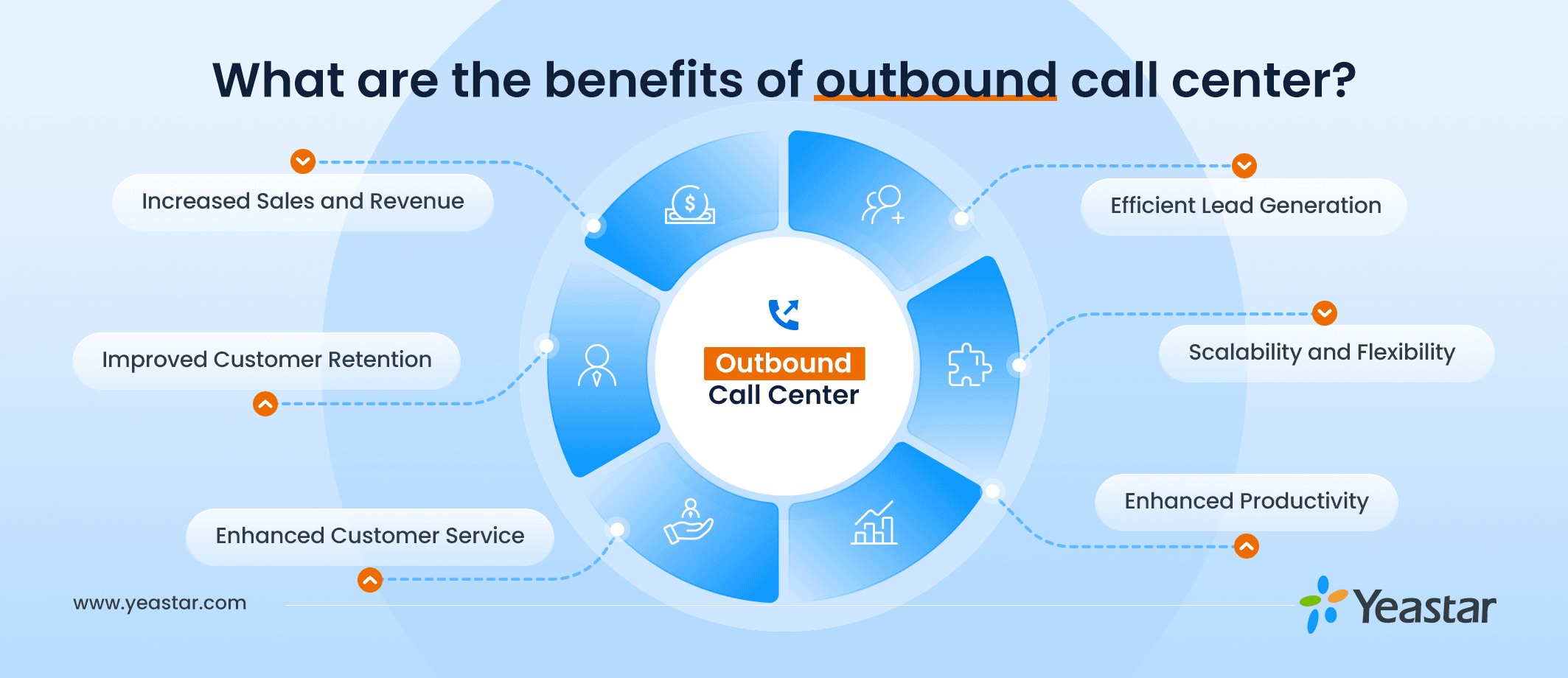
Unlike inbound, outbound focuses on calls made to customers or prospects. Its objectives include sales, lead generation, market research and follow-up. Agents need excellent communication and persuasion skills to succeed in these proactive interactions.
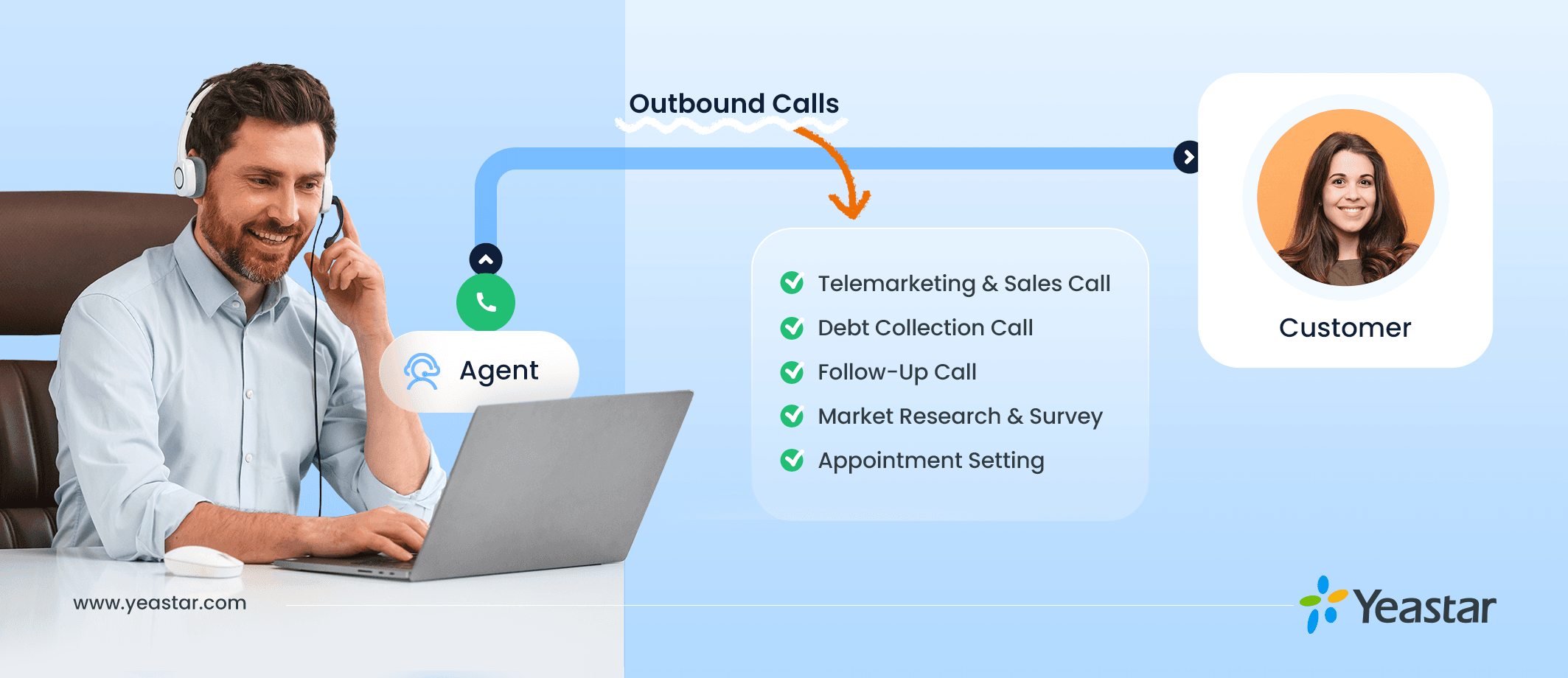
Different types of outbound calls
Outbound campaigns often use auto-dialers to reach a large number of contacts. They include telemarketing, follow-up calls, market research, appointment setting, and debt collection. Each type serves a specific purpose, from direct sales to data collection.
Key differences between inbound and outbound
Inbound centers handle incoming calls, focus on service and problem resolution, and take a reactive approach. Outbound centers initiate calls, focus on prospecting and sales, and take a proactive approach. The skills required and services offered vary accordingly.
Improve your inbound strategy
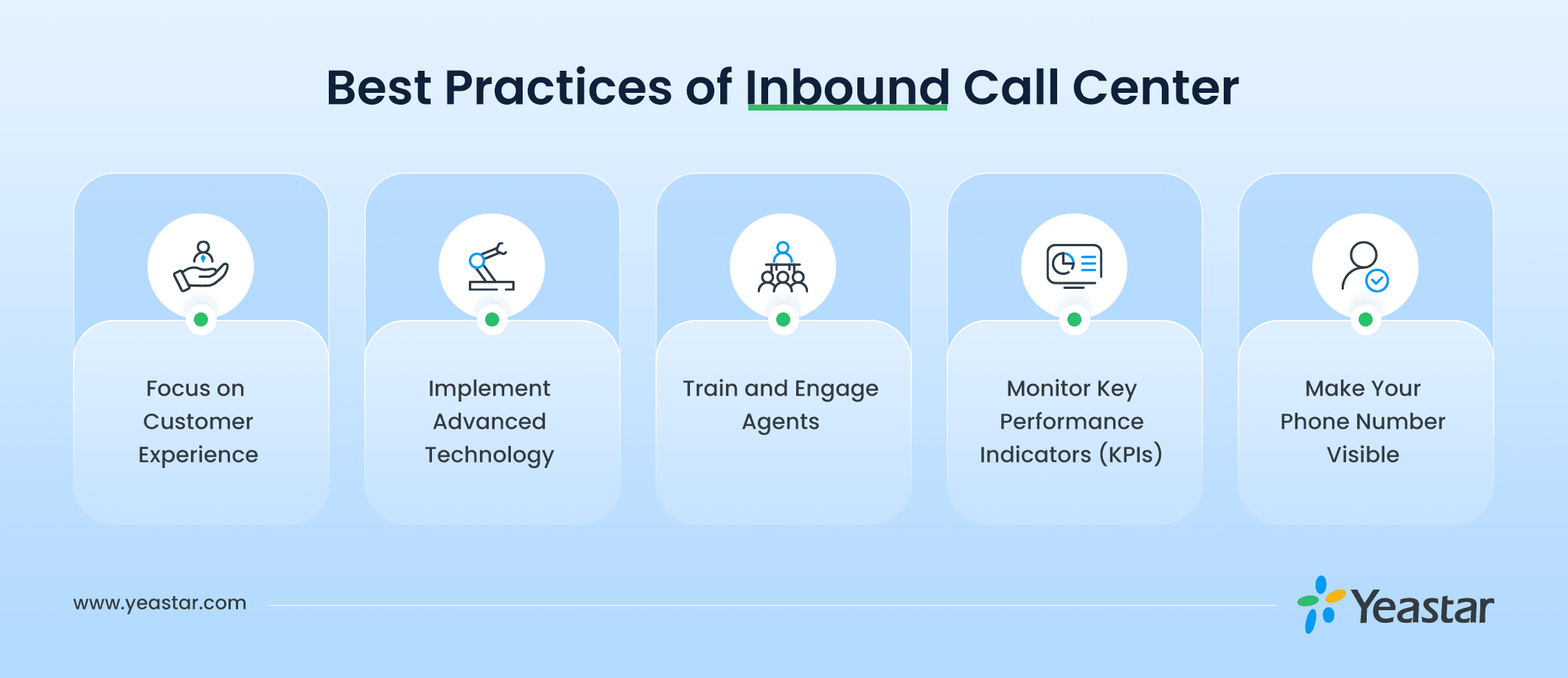
To optimize inbound service, focus on the customer experience by personalizing interactions and collecting regular feedback. Integrate advanced technologies such as CRM and IVR for efficient routing and fast resolution. Train your agents continuously and track key KPIs such as average handling time and first-call resolution rate.
Improve your outbound strategy
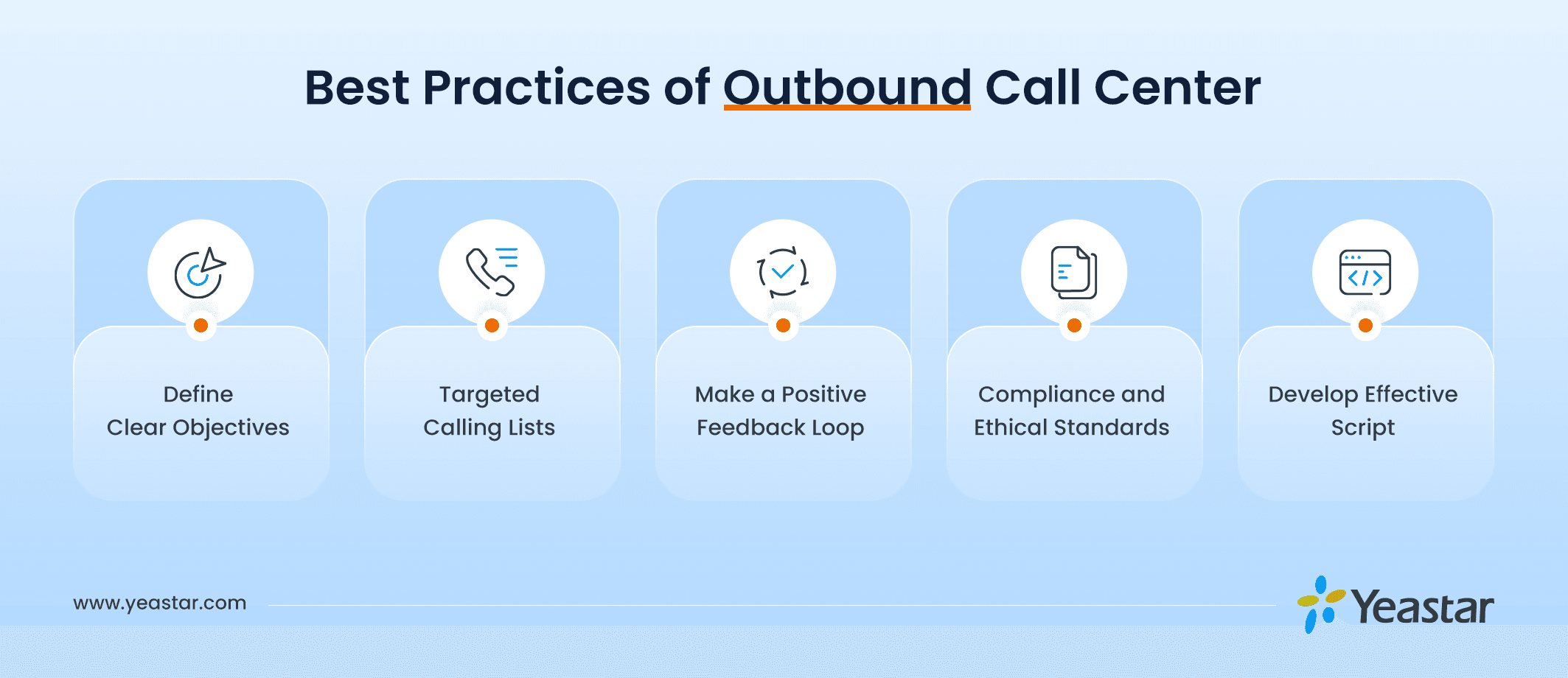
A successful outbound strategy starts with clear, measurable objectives. Create a positive feedback loop by evaluating results in real time. Prepare compelling scripts, train your agents in persuasion and objection handling, and use data to adjust your campaigns and maximize return on investment.
The Yeastar team supports businesses and integrators in assessing their needs, selecting an architecture, and preparing for deployment.