AI receptionists are evolving from simple call-routing tools into fully configurable voice architectures integrated with business systems. Decision-makers now expect control over behavior, seamless integration with business workflows, and the ability to choose or change language models. This article analyzes how the three market leaders—Yeastar, RingCentral, and 3CX—meet these needs by comparing their customization, integration, and human handoff capabilities.
Today’s customer needs
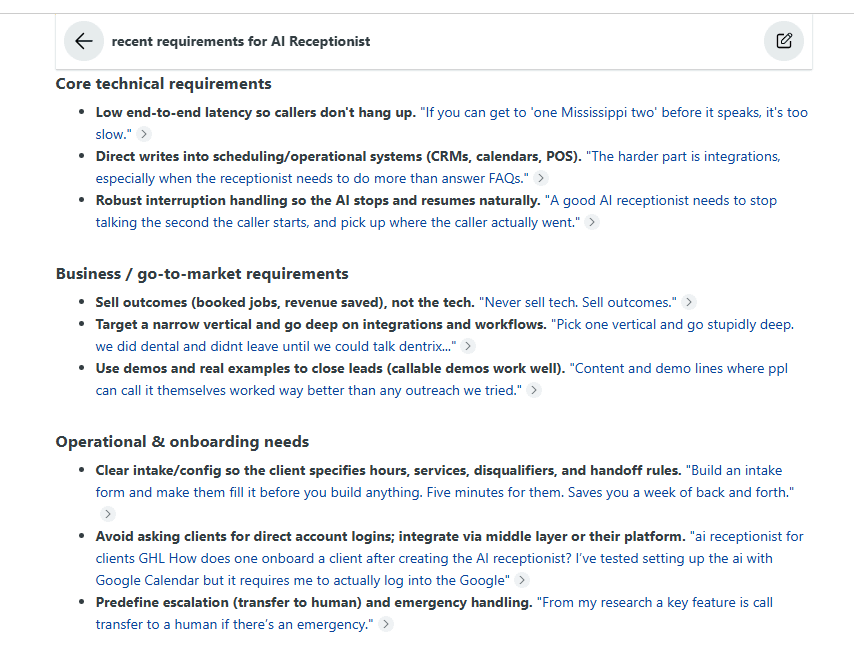
Feedback from IT managers, operations teams, and MSPs points to five key requirements: precise control over behavior, direct integration with workflows, human handoff without loss of context, flexibility in language models, and multilingual support. These criteria form the framework for evaluating modern AI receptionist solutions.
Comparison of customization capabilities
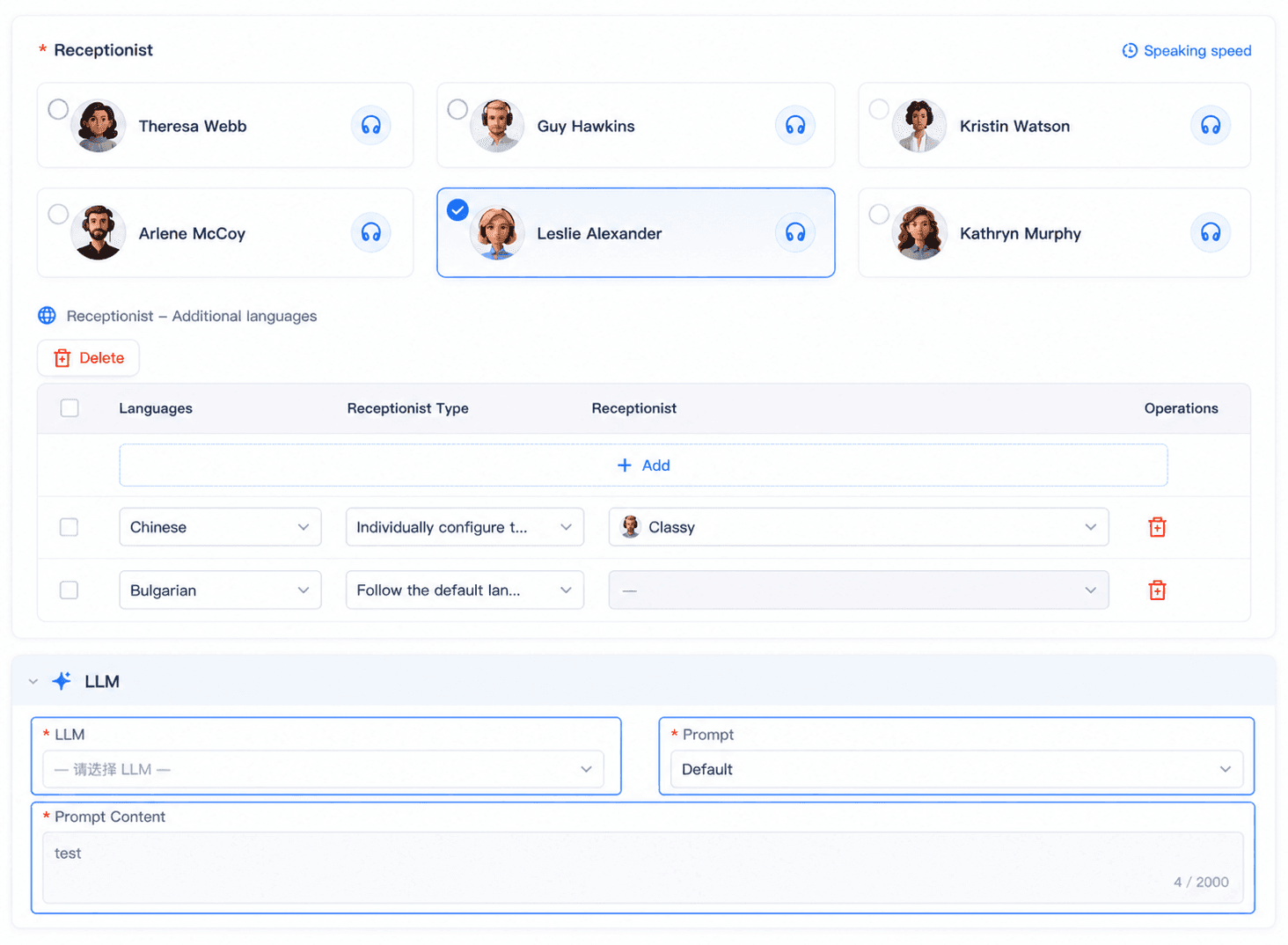
RingCentral AIR offers limited prompt control and out-of-the-box CRM integration, but advanced options are reserved for AIR Pro. 3CX supports the use of external models via API, enabling extensive customization at the cost of complex technical configuration. Yeastar combines full prompt control, model selection per agent, and simple HTTP integration, ensuring easy customization and controlled costs.
Yeastar: Agility and cost-effectiveness
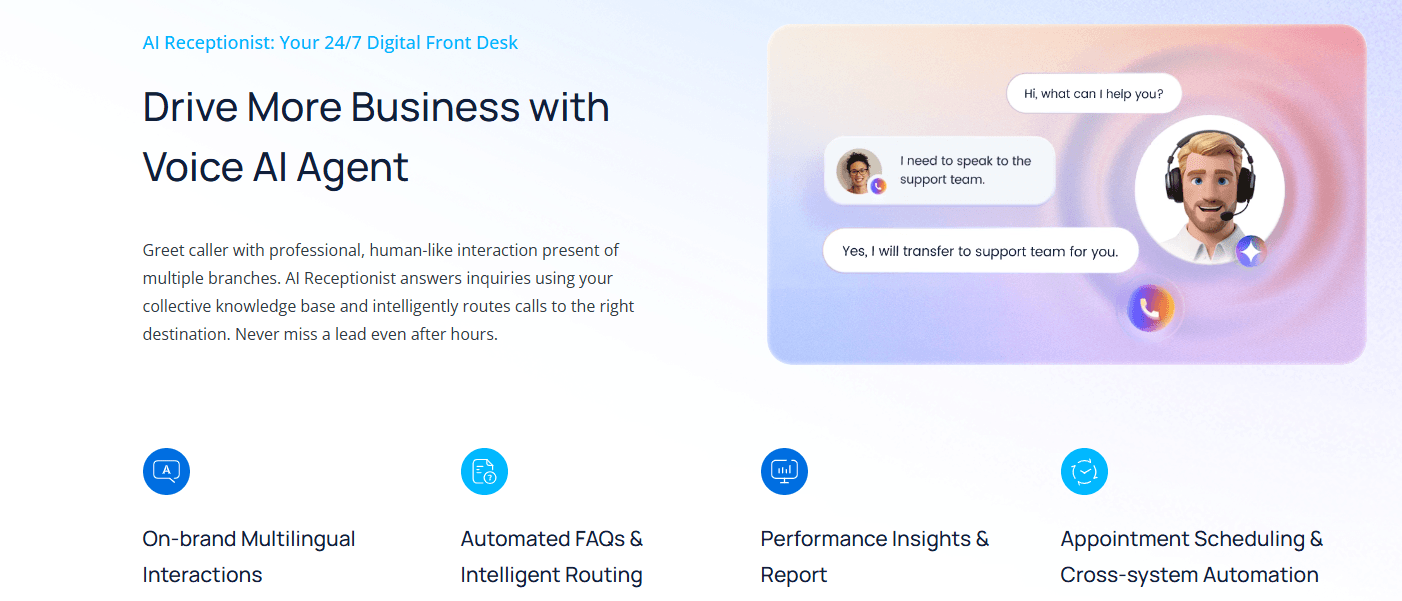
Natively integrated into the P‑Series system, Yeastar’s AI receptionist enables rapid commissioning through a lightweight HTTP interface. Its ability to select the model (GPT, Claude, Gemini) for each agent makes it possible to align performance and cost. CRM and helpdesk integrations require no middleware, offering an optimal balance between customization depth and deployment simplicity.
RingCentral AIR: simplicity but service-tier dependency
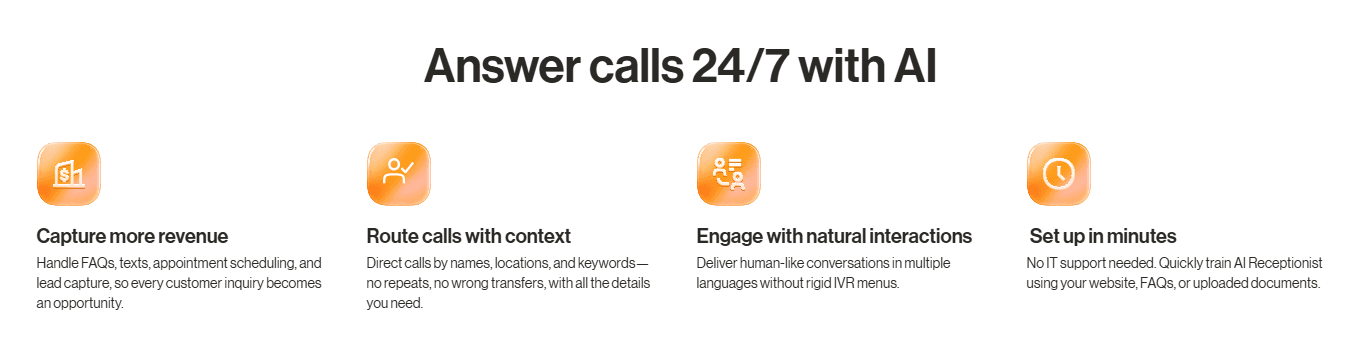
Designed for rapid adoption within the RingEX ecosystem, AIR excels at basic call handling and natural routing. Advanced features, such as detailed prompt control or third-party integration, are reserved for AIR Pro plans, creating a cost structure dependent on the service tier.
3CX AI Edition: autonomy but technical complexity
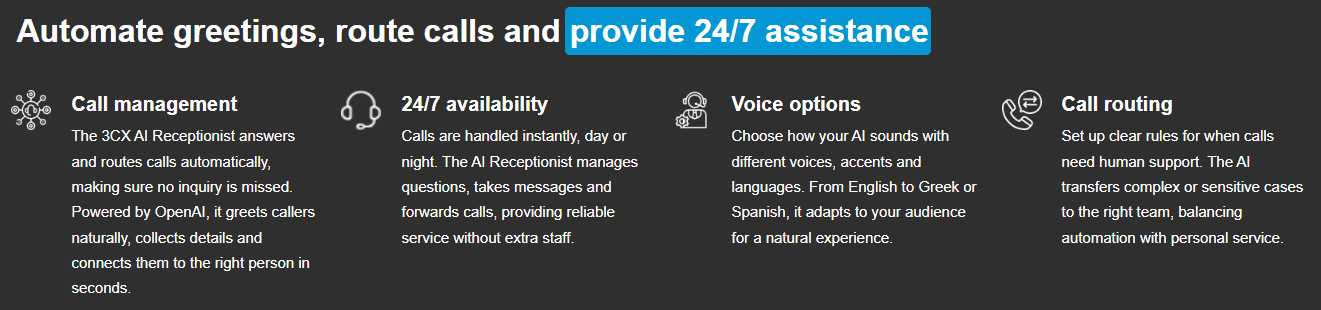
3CX offers AI integration via API with OpenAI, Grok, or Gemini, and allows customization of prompts and knowledge documents. However, setting up advanced routing or complex integrations requires XML scripting and extensive configuration, increasing implementation friction.
Conclusion
While 3CX offers full customization at the cost of complexity, and RingCentral requires a premium plan for advanced features, Yeastar stands out with a hybrid multi‑LLM architecture, seamless HTTP integration, and a predictable cost model, offering the best combination of agility and cost-effectiveness for AI receptionists 2.0.
The Yeastar team supports businesses and integrators in assessing their needs, selecting an architecture, and preparing for deployment.