The Yeastar P-Series PBX V24.3 GA update is now available in production following the Alpha and Beta phases. This release brings major improvements, including advanced AI assistant integration, comprehensive quality of service (QoS) monitoring, and optimizations to the Linkus mobile interface. Businesses in Morocco and Africa can now update their firmware to benefit from a smoother, more automated experience.
AI Assistant: connectivity to your stack
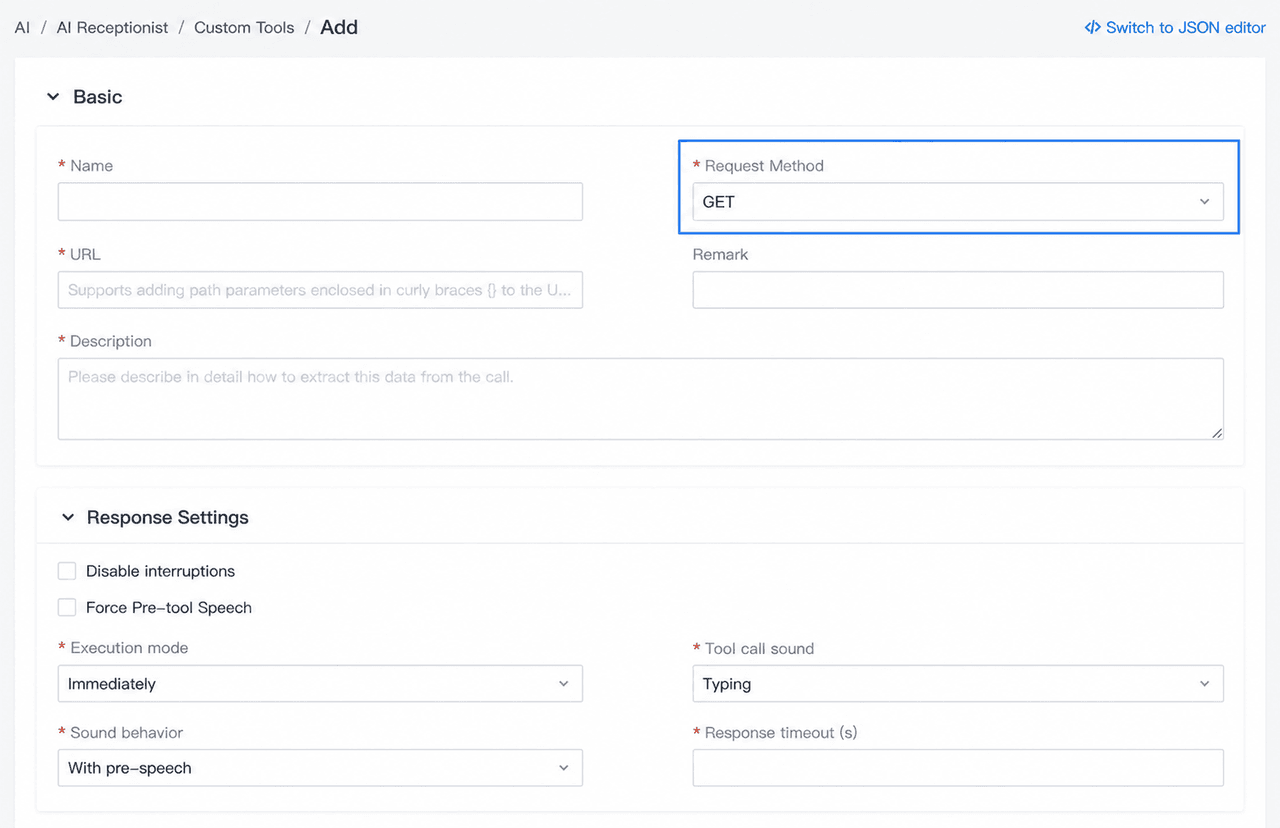
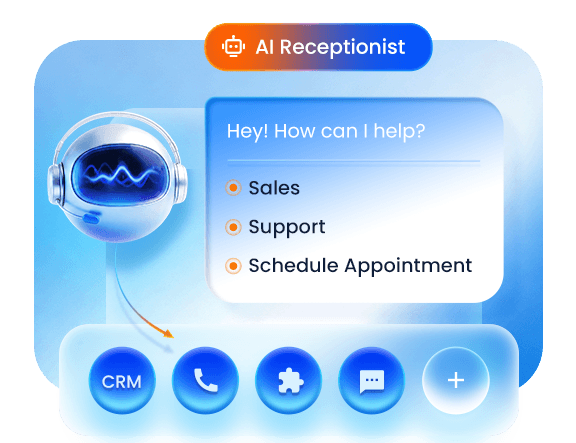
The AI assistant in P-Series V24.3 GA can now run real-time workflows through “Custom Tool” integration. It can call your CRMs, scheduling platforms, or databases to book appointments, retrieve order statuses, or update inventories without human intervention. Configuration is done through a low-code editor, and each assistant call is logged in the CDR for easy auditing.
Quality of service (QoS) monitoring
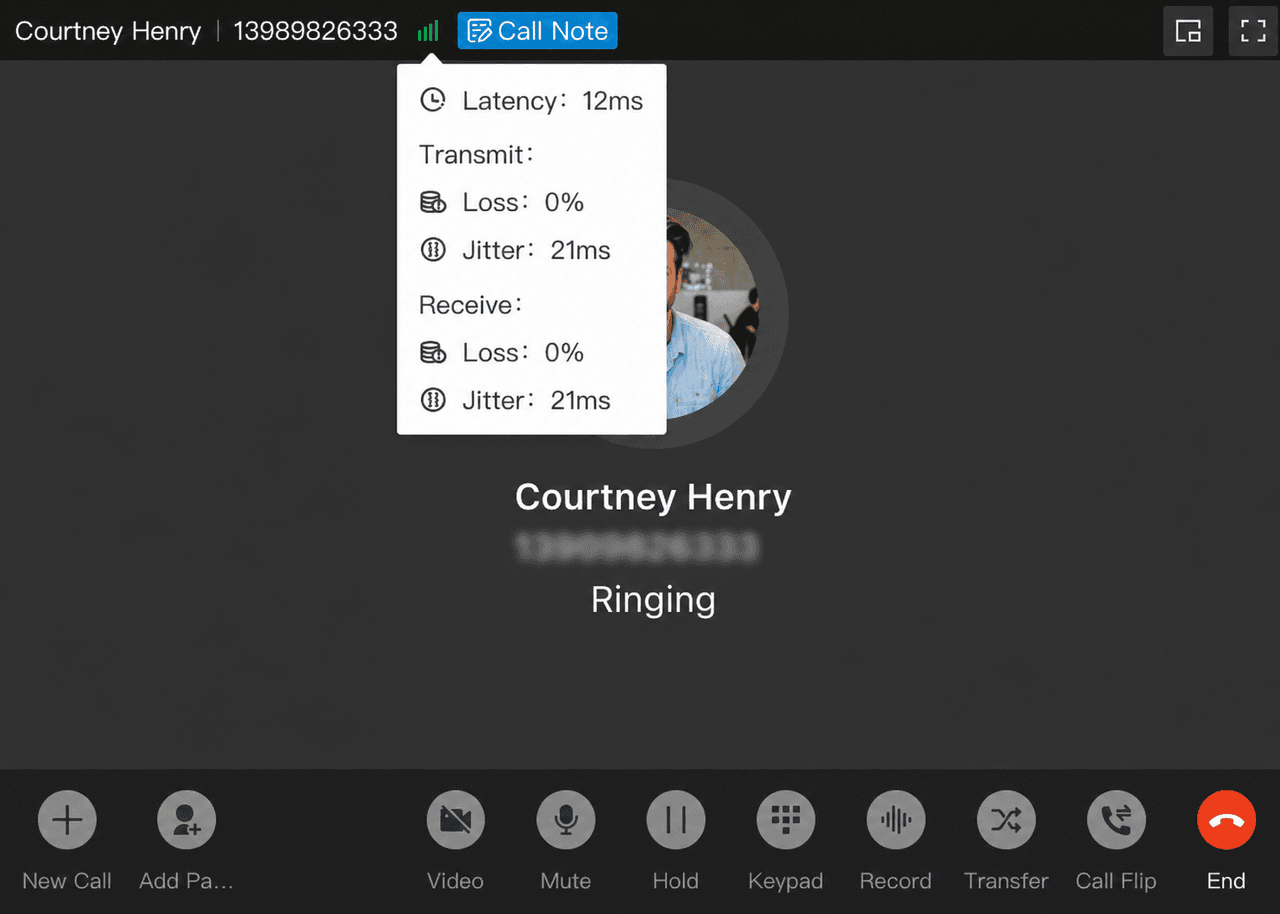
Comprehensive QoS monitoring covers audio, video, and conference calls. Users can view latency, jitter, and packet loss in real time through the Linkus client, while administrators have access to detailed reports in the CDR and the quality report dashboard. This visibility makes it possible to quickly identify local or remote network issues.
Improved Linkus mobile experience
The Linkus mobile client has been redesigned to provide smoother navigation. The dial pad is now a main tab, two new call panel layouts are available, and a dynamic handling indicator appears during a recording. The status icons have also been redesigned for instant readability.
Additional optimizations
TAPI scalability is extended to more than 50 simultaneous connections, Cisco SPA phones gain AutoP support via HTTP, and Bandwidth SMS authentication must be updated before December 2, 2026. These improvements enhance system performance and reliability.
New supported phone models
Version V24.3 GA adds support for the Intelbras V3001, V3501, V5501 and V5502+ models. See the auto-configuration list for more than 500 compatible IP phones.
The Yeastar team supports businesses and integrators in assessing their needs, selecting an architecture, and preparing for deployment.