IP telephony, or VoIP, lets you make and receive calls over the Internet instead of traditional telephone lines. For Moroccan SMEs, this technology offers a major competitive advantage through cost savings, advanced features and flexibility. This guide introduces the basics, key components, implementation options and the best-performing solutions for 2026.
Why Choose a VoIP System for Your Business
A VoIP system replaces costly analog lines with digital calls, reducing monthly expenses by up to 50 %. It also integrates video, chat and SMS, centralizes conversations and makes collaboration easier, even for distributed teams.
How a VoIP Call Works Technically
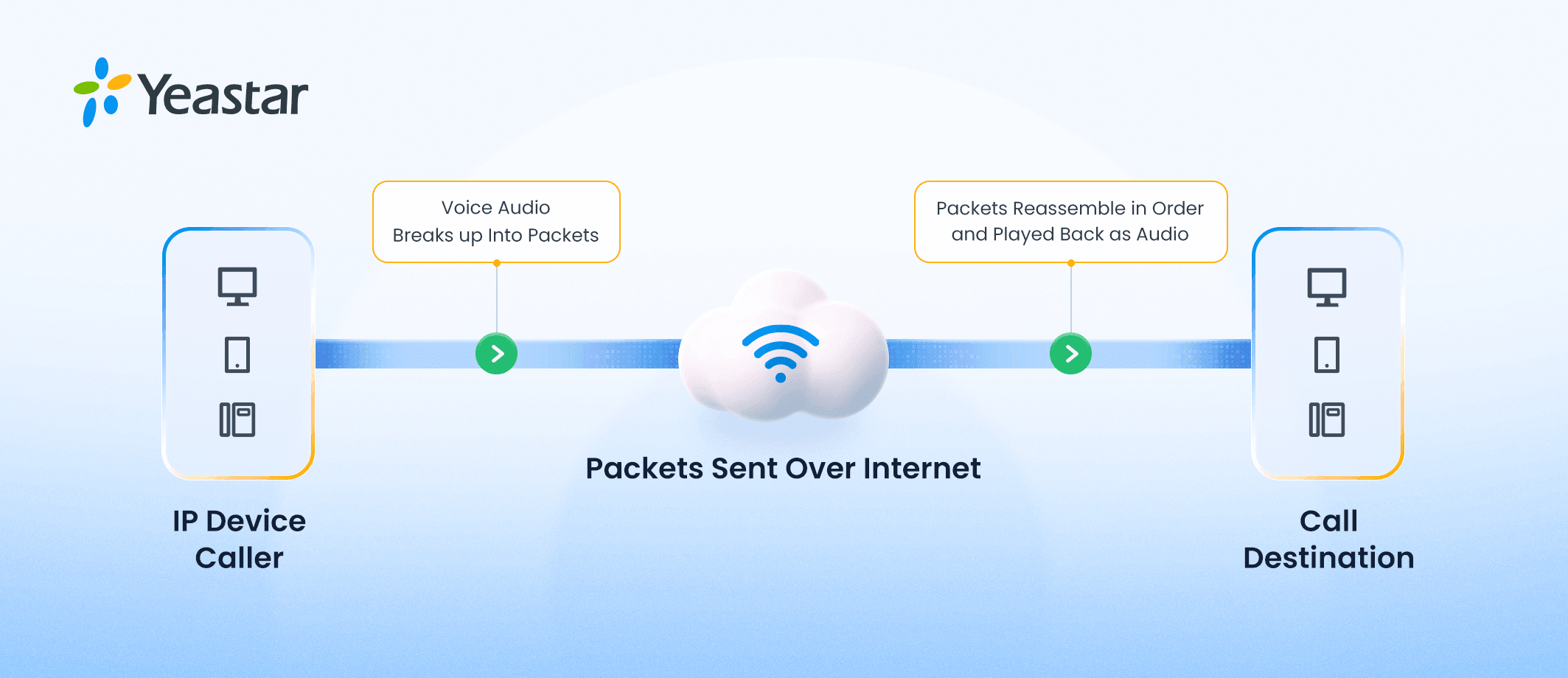
Your voice is first converted into digital data packets, then sent over your local network and the Internet. The packets are reassembled on arrival and decoded into audible sound. SIP and RTP protocols handle signaling and transport, while an IP PBX (cloud or on-premises) orchestrates the connection.
Essential Components of a VoIP System
A robust system relies on SIP trunking to connect to the telephone network, a central IP PBX for routing, endpoints (IP phones, softphones) and ATA adapters for analog equipment. Codecs compress voice, and protocols handle signaling and transport.
The Different Types of VoIP Phones
Physical IP phones, softphones, wireless DECT phones, conference phones and mobile apps each offer advantages in cost, mobility and audio features. The choice depends on the use case (office, remote work, meetings).
Using an Analog Phone with VoIP
An ATA adapter lets you connect an analog phone to a VoIP network, converting analog signals into digital packets. Although economical, this solution is less capable than a dedicated IP phone or softphone.
VoIP vs. Traditional Telephone Line
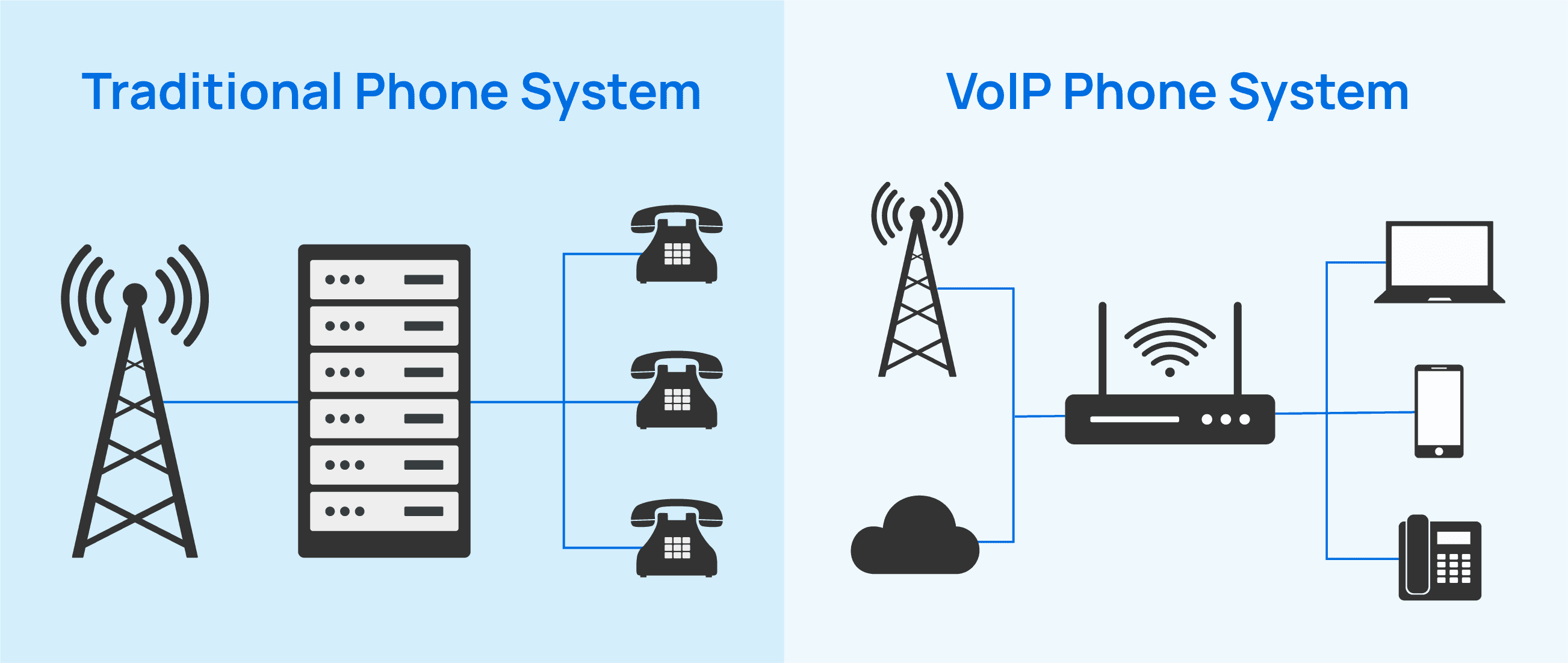
VoIP is less expensive, more scalable and offers advanced features, whereas PSTN remains costly, feature-limited and difficult to expand. Businesses are increasingly switching to VoIP to stay competitive.
Key Benefits of an Enterprise VoIP Solution
Savings on telephony costs, instant scalability, support for remote work, unified communications (voice, video, chat) and integration with business tools are the main advantages of a modern VoIP solution.
Essential Features of a VoIP Solution
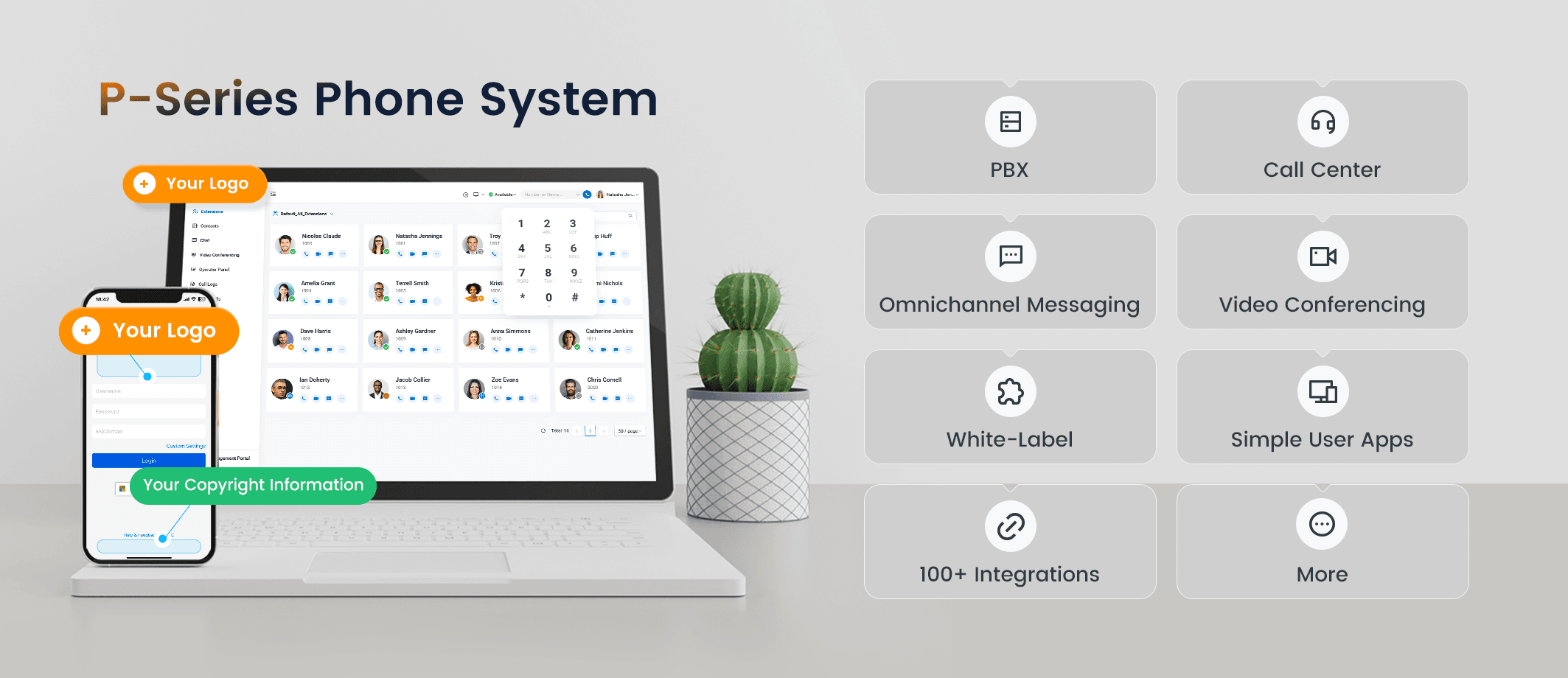
A quality system integrates voice AI, call management, omnichannel messaging, team collaboration, video conferencing and integration with CRM or Microsoft Teams. These elements ensure greater productivity and a seamless user experience.
The Yeastar team supports businesses and integrators in assessing their needs, selecting an architecture, and preparing for deployment.